Window Light or Open Shade? See How Sunlight Changes a Familiar View
Window light or open shade can make the same view look strikingly different. Compare colour, contrast and detail with a simple observation routine.
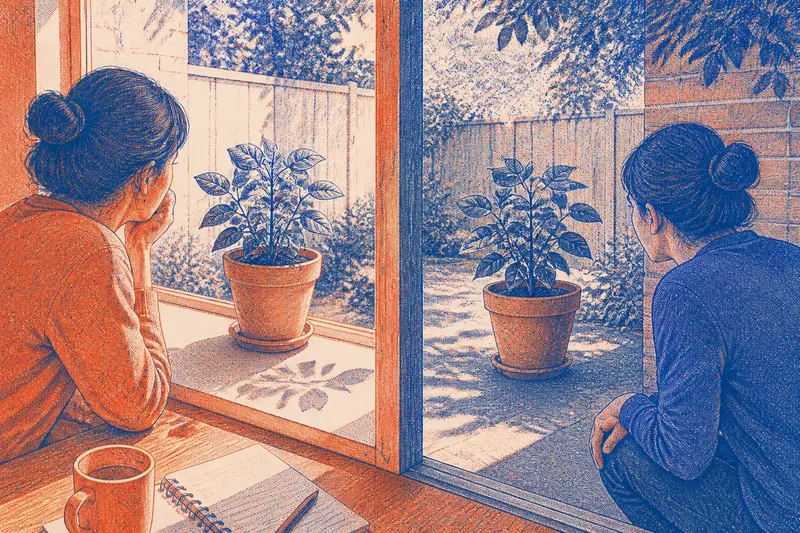
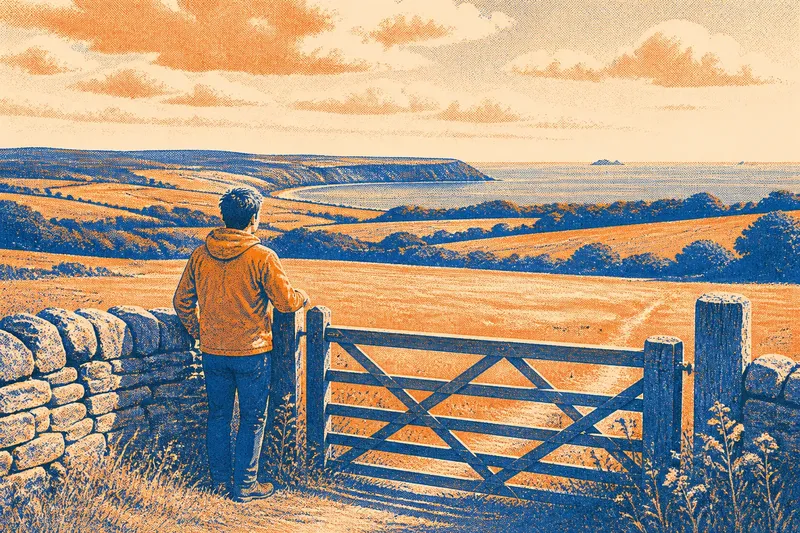
The common mistake in comparing window light or open shade is to look at two different views at two different times. The changing subject, weather and sun position muddy the comparison. Choose one nearby view and hold it steady: the same brick wall, potted plant or garden gate can reveal how sunlight changes what your eyes notice.
You need no special kit. A window, a patch of outdoor shade and a few minutes of looking are enough. These seven comparisons help separate the effects of direct sunlight from the softer light found in open shade.
1. Keep the view fixed
Pick a view you can see both from indoors and outdoors, such as a tree beside a pale fence or a table near a window that opens onto a shaded patio. Look at the same part of the scene from each place. A small, recognisable detail—a leaf edge or a knot in the wood—helps keep your attention anchored.
Window light and open shade are not perfect duplicates. Indoors, glass may reflect objects in the room or tint the light slightly. Outdoors, the shaded scene still receives light from the open sky and nearby surfaces. The comparison is useful precisely because it shows how these conditions differ, not because they recreate one another exactly.
2. Notice direct sun
Direct window light means sunlight reaches the view through a window, or lights the scene just beyond it. Look for a bright patch on the floor, a sharp-edged shadow or a gleam on a glossy leaf. These are clues that sunlight is arriving from a relatively clear direction.
Pause before deciding that a brightly lit object is simply a brighter colour. Direct sun can make one surface vivid while pushing a neighbouring shadow into deep contrast. If the sun is outside your line of sight, turn your gaze towards the scene rather than towards the bright disc; there is no need to look directly at the Sun.
3. Read the shade
Open shade is a place protected from direct sunlight but exposed to a broad area of open sky. A spot beside a building, beneath a porch edge or under a tree canopy may qualify, provided the view is not enclosed by walls or heavy foliage. The shaded object can still look clearly lit because sky light reaches it from many directions.
Compare the shadow side of a plant or wall with the sunlit side. In open shade, the boundary between light and dark may look less abrupt, and details in the darker area may be easier to distinguish. Nearby coloured walls or paving can tint the shade, so look at more than one surface before attributing every colour shift to the sky.
4. Compare colour carefully
Choose a surface with a familiar colour: a red pot, a green leaf or a cream-coloured wall. Ask whether it looks warmer, cooler, paler or more saturated in each place. Avoid naming a shade too quickly. The eye adjusts as you move from a bright window to a darker outdoor patch, and that adjustment can alter your impression.
For a steadier comparison, look at the object, then briefly at a neutral surface such as a white sheet of paper, before looking back. Do not expect the paper to appear identical in both places; it is a prompt for noticing the surrounding light, not a calibrated reference. If the view changes while you move, note that too: sunlight may be shifting across the scene.
5. Follow the shadows
Shadows make the direction and quality of light easier to see. In direct sun, the edge of a shadow often appears crisp where an object blocks the light. In open shade, light arriving from the sky and nearby surfaces can soften the contrast. Thin branches or railings are especially helpful because their shadows show several edges at once.
Say you have a terracotta pot beside a window and a second view of that same pot from a shaded doorway. You notice a hard shadow under its rim in the window-lit view, but a softer one in the doorway. That observation suggests a difference in the direction and spread of the light; it does not mean the pot or its colour has changed.
6. Watch the glass
A window is more than an opening in the wall. It can reflect a lamp, curtain or bright patch of sky, especially when the room is darker than outdoors. Move your head slightly and see whether a reflection slides across the view. If it does, separate that moving reflection from the stationary scene before judging its brightness or colour.
Glass can also soften or alter what you see, depending on its coating, tint and condition. For a fairer comparison, view the same subject through the pane and then, if it is safely accessible, from outdoors. Do not lean out or climb to reach a better angle; choose a safe position that already gives you a clear view.
7. Repeat under changing skies
A partly cloudy day offers shifting conditions without requiring you to change location. Watch the same view as a cloud passes between the Sun and the scene. Direct sunlight may fade, shadows may lose their sharp edges, and the shaded area may appear much as it did before. The transition can be more revealing than a single glance.
For a simple record, write down three observations: whether sunlight reaches the subject, how sharp its shadows look and which colours seem easiest to distinguish. Repeat later from the same window and shaded spot. A short note such as “sun patch on gate; dark bar shadow; leaf colour clearer in shade” is more useful than a vague verdict that one place looks better.
Which light suits this view?
Is window light the same as direct sunlight?
Not always. A window may face away from the Sun, sit behind a roof overhang or have glass that changes the light, so it can provide bright sky light without a sunbeam falling on the scene.
What counts as open shade?
Open shade is protected from direct sun while still exposed to open sky. A covered porch or the side of a building can work, but a deeply enclosed passage may be too dark to show the same effect.
Why do colours look different indoors?
Your eyes adapt to the brightness and colour of surrounding light, while glass and indoor reflections can add further changes. Give your gaze a moment to settle, then compare one familiar surface rather than relying on an overall impression.
When is the comparison clearest?
Look when a sunlit patch and a nearby shaded view are visible at the same time. The Sun’s position and passing clouds change the scene, so a brief note about conditions helps you make sense of what you see later.
Window light or open shade is not a contest with one permanent winner. Direct sunlight makes direction, strong highlights and crisp shadows easy to spot; open shade often makes subtle surface detail easier to read. Next time the light changes, return to the same leaf, wall or gate and ask what has become visible—and what has slipped into shadow.